

Viral fever is a common health condition characterised by abnormally high body temperature. It is caused by a variety of viruses, such as dengue, enteroviruses, and influenza, among others.
What causes viral fever?
This type of fever is highly contagious and can spread through ways such as:
- Respiratory droplets: An individual can get affected through sneezing, coughing, or talking to an infected person. The infection is caused when these droplets land in the eyes or nose.
- Direct contact: If an individual touches contaminated surfaces such as light switches, doorknobs and then touches their face, they can become infected.
- Exchanging body fluids: In some cases, viral fever can spread through bodily fluids like saliva (kissing), sharing needles or drinking from the same cup.
Types of viral fever:
1. Respiratory Viral Fever
This type of fever spreads through airborne droplets. These infections mainly affect the lungs and airways. Some of the common symptoms may include body aches, sore throat, nasal congestion and persistent cough. Examples include the common cold, influenza (the flu), COVID-19, and Respiratory Syncytial Virus (RSV).
2. Gastrointestinal Viral Fever
It primarily spreads through contaminated food or water. Some common symptoms include stomach cramps, vomiting, and diarrhoea. Certain strains of Adenovirus, Rotavirus and Norovirus are common causes of this fever.
3. Exanthematous Viral Fever
This type of fever exhibits in the form of rashes. The symptoms may include fever, headache and malaise. Distinctive patterns of rashes are caused by chickenpox, measles, rubella, roseola and erythema infectiosum (fifth disease).
4. Neurologic Viral Fever
This type of viral infection causes inflammation of your meninges. Some common symptoms include severe headaches, confusion, stiff neck, or paralysis. Examples include viral meningitis, encephalitis, polio, and rabies.
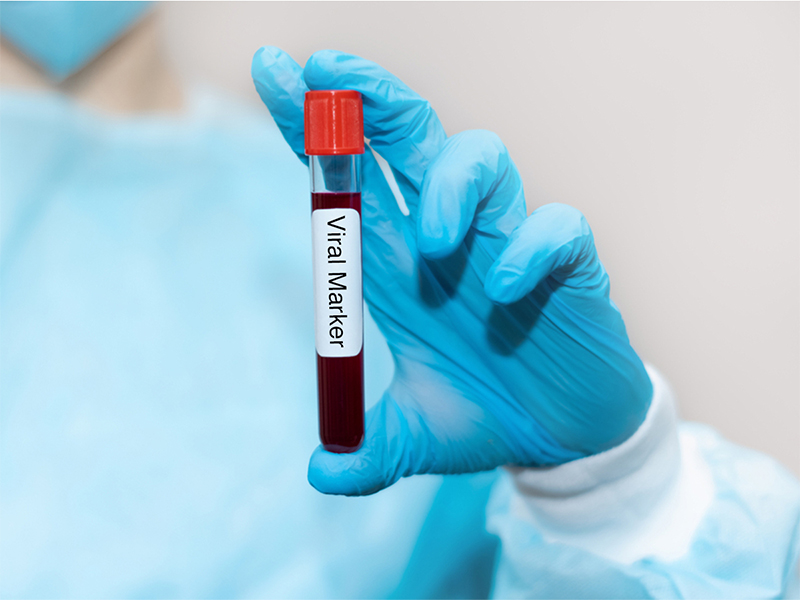
A simple blood test, called viral marker test, is used to evaluate the presence of specific antibodies or antigens related to viruses, or even their genetic material, in the body.
If you live in Delhi-NCR, you can do an online search to know the viral marker test price.
Types of viral marker tests
1. Antibody tests: These tests check for the presence of antibodies in the blood produced in response to a viral infection. For instance, an infection may be confirmed if there is a presence of HIV antibodies in the blood. Antibody tests can help indicate any past of recent infection. They can also show whether you’re vaccinated and to test if a vaccine is effective.
2. Antigen tests: Antigens are substances that cause the body to trigger an immune response, in the form of antibodies. These tests are known for their speed and ease of use. They help find out specific viral proteins in a sample. For instance, rapid tests for COVID-19 detect viral antigens to provide quick results. They help detect the presence of an infection during the acute phase when viral proteins are present in high concentrations.
How viral marker tests work
A viral marker test is done through a process which includes several key steps:
1. Sample collection: A sample in the form of blood, saliva, urine, or a swab from a specific body site, is collected depending on the type of test and the virus in question.
2. Processing and analysis: The sample is then sent to a laboratory where it is being analysed. For antibody and antigen tests, reagents that bind to specific viral components, are added.
3. Result interpretation: The results show whether viral markers are present or not. Positive results indicate an active or past infection, while negative results suggest no infection or levels below the detection threshold.
Disclaimer: For personalised advice and further information, always consult your physician or qualified healthcare professional.
