

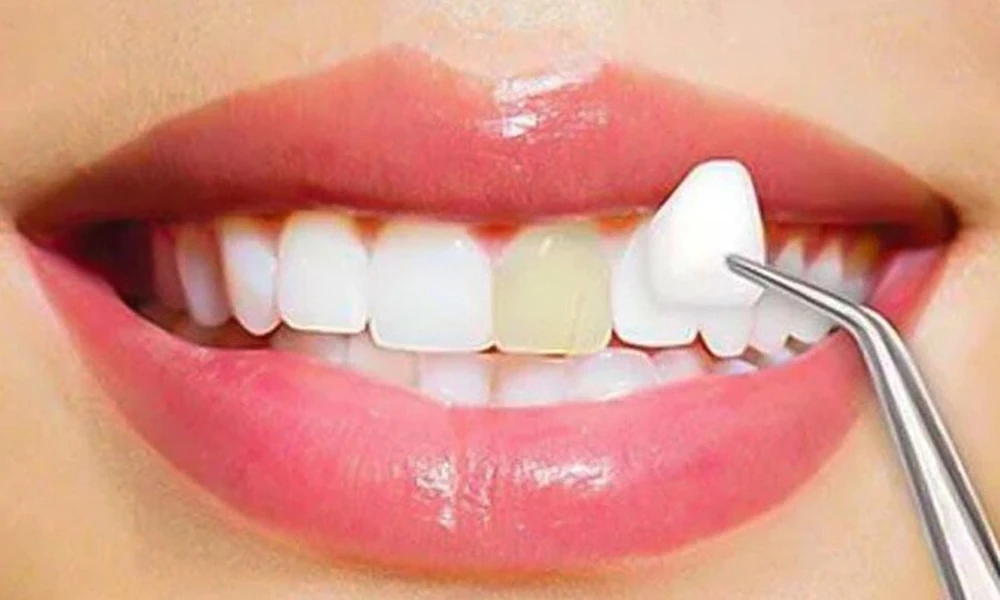
You catch your smile in a photo and your eyes go straight to your gums. Not your teeth, not the moment, just that one detail you wish looked different. A gummy smile can make you feel self conscious even when your teeth are healthy and clean. For some people, the issue is mild. For others, it changes how they talk, laugh, or smile in public. In some cases, concerns related to a gummy smile may overlap with issues addressed through TMJ treatment in King of Prussia, PA.
The good news is that a gummy smile often has a clear cause, and many cases can be improved with care from a periodontist. Treating “gummy smiles” with periodontic techniques usually means finding out whether the extra gum display comes from gum tissue, tooth eruption, lip movement, jaw position, or a mix of those factors. Once that is clear, treatment becomes much more precise.
Gummy smile treatment starts with the cause, not the appearance alone
A smile can look gummy for different reasons, and that matters because the right treatment for one person may be the wrong one for another. In some cases, the teeth are partly covered by excess gum tissue, which makes them look shorter than they are. In other cases, the upper lip lifts high when you smile, or the upper jaw sits in a position that exposes more gum than usual.
Periodontists focus on the gums, the bone supporting the teeth, and the way soft tissue frames your smile. That makes them central to care when the issue comes from altered passive eruption, excess gingival tissue, or uneven gum contours. If you have ever been told your teeth look small, even though they feel normal in function, this may be part of the reason.
Clinical sources describe altered passive eruption as a condition where gum tissue covers more of the tooth crown than expected, creating the look of short teeth and excess gum display. You can read more in this overview of altered passive eruption. Another useful reference on excessive gingival display and related causes is available through the NCBI review on gummy smile evaluation and management.
Periodontic techniques can reshape the gum line and reveal more natural tooth structure
When the gums are the main issue, a periodontist may recommend crown lengthening or esthetic gingival contouring. These treatments remove or reshape excess gum tissue so more of the natural tooth becomes visible. In some cases, the bone around the tooth also needs adjustment to create a stable, healthy result. This is often called esthetic crown lengthening.
That distinction matters. If tissue is trimmed without respecting the space the body needs between bone and gum attachment, the gums can grow back unevenly or remain inflamed. The goal is not simply to cut away tissue. The goal is to create a gum line that looks balanced and stays healthy.
You may also hear the phrase gummy smile correction. That can include periodontic treatment alone or care coordinated with orthodontics, restorative dentistry, or oral surgery. A patient with excess tissue may do very well with a periodontal procedure. A patient with a skeletal cause may need a different path. A careful exam, photos, measurements, and sometimes imaging help sort this out.
Guidance used in dental education also stresses proper diagnosis before cosmetic treatment. This academic review of excessive gingival display outlines how different causes call for different solutions.
Living with a gummy smile often affects confidence more than people expect
You may have spent years trying to smile with your lips closed, tilting your head in pictures, or avoiding certain angles on video calls. That is common. People often minimize it because it is not an emergency, but appearance concerns can still weigh on you every day.
There is also the frustration of mixed advice. One office may suggest veneers. Another may mention braces. Someone else says Botox. Those options can have a place, but they are not interchangeable. If the gums are covering too much tooth, veneers alone may not solve the core issue. If the upper lip is hyperactive, gum reshaping alone may not fully change the smile. Good care depends on matching the treatment to the anatomy.
Comparing common approaches for excessive gingival display
| Approach | Best for | What it changes | Limits |
|---|---|---|---|
| Esthetic crown lengthening | Excess gum tissue or altered passive eruption | Reveals more tooth structure and reshapes the gum line | Does not correct jaw position or strong lip lift |
| Orthodontic treatment | Tooth position and bite related causes | Moves teeth and can improve smile balance | May not solve excess tissue alone |
| Botulinum toxin | Hyperactive upper lip | Reduces how high the lip rises when smiling | Temporary result and not a gum treatment |
| Orthognathic surgery | Skeletal jaw excess | Repositions the upper jaw | Major treatment, reserved for specific cases |
| Veneers or bonding | Shape and proportion concerns | Changes visible tooth form | Can miss the cause if gums are the main issue |
A periodontist can help you sort cosmetic goals from tissue health
Periodontic techniques for gummy smiles are not only about looks. Excess or uneven gum tissue can make teeth harder to clean, create plaque traps, and leave the smile looking unbalanced even after whitening or restorative work. A periodontist evaluates both esthetics and biology, which is why this specialty plays such a strong role in smile design.
Healing time depends on the procedure, but many soft tissue treatments are manageable with local anesthesia and a short recovery period. Mild soreness, temporary swelling, and a soft food diet for a few days are common. Final gum contours often look better after the tissue settles.
Three steps you can take before choosing treatment
Get a diagnosis that names the cause. Ask whether your gummy smile comes from gum tissue, lip movement, tooth position, jaw structure, or a combination. A real diagnosis saves time and money.
Ask to see how much tooth is hidden by the gums. If your teeth appear short, have the provider explain whether more natural crown can be safely exposed. This is often where a periodontist adds the most value.
Compare temporary fixes with lasting treatment. Some options wear off. Others permanently reshape tissue or bone. Ask what maintenance, healing, and long term stability look like before you decide.
A more balanced smile often starts with the right specialist
If your gums show more than you want when you smile, you are not being vain, and you are not stuck with it. The next step is not guessing. It is getting a careful evaluation from a periodontist who can tell you exactly what is causing the extra gum display and what can be changed safely. The right plan can make your smile look more natural, and just as important, help you feel at ease using it.
