

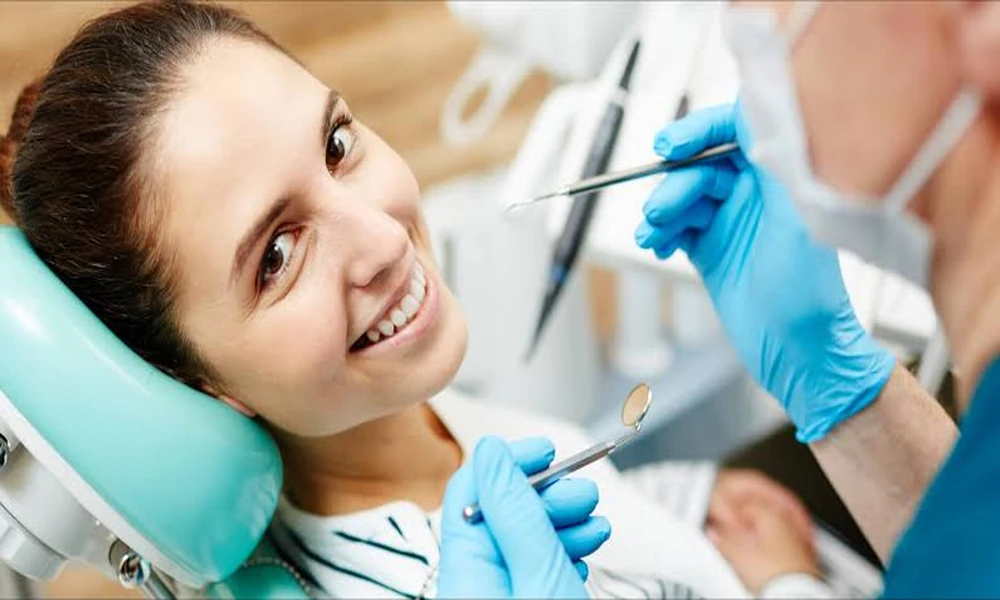
You may have noticed it slowly. A child feels shy about a chipped front tooth. A teen wants a more even smile before school photos. An adult sees stains that no whitening toothpaste seems to touch. An older family member wants dental work that looks natural, not obvious. When everyone in the house has a different concern, it can feel hard to sort out what is safe, what lasts, and what makes sense for your budget. A Columbus, IN dentist can help you understand options for every age and stage.
That is usually the real issue. Cosmetic dentistry is not one thing. It is a group of treatments, and some are better for growing smiles, some work best after the bite is fully developed, and some do double duty by improving both appearance and function. A family and cosmetic dentist can help you narrow the options, protect healthy tooth structure, and choose care that fits your age, goals, and daily life.
Cosmetic dental treatments work best when they match age, enamel, and bite
People often assume that cosmetic work is only about looks. In real life, appearance and comfort tend to overlap. A small gap may bother a teen in photos, but it can also affect speech. A worn tooth may make an older adult avoid smiling, but it can also change how the teeth meet. That is why the best plan starts with the condition of the teeth and gums, not just the mirror.
For younger patients, dentists are usually careful with treatments that remove enamel or require long term maintenance. For adults, the focus may shift toward stain removal, reshaping, or replacing older dental work with materials that blend in better. The National Institute of Dental and Craniofacial Research offers a useful overview of modern dental materials, including options used for tooth colored restorations.
That matters because the wrong cosmetic choice can create more stress than relief. Whitening on untreated decay can lead to pain. Veneers on a patient who grinds heavily may chip if the bite is not addressed. Clear aligners can improve spacing, but they require consistency, and younger children may not be ready for that level of responsibility. Good cosmetic care is not about doing the most. It is about doing what fits.
These six smile enhancement options can suit different ages and needs
1. Professional teeth whitening. This is one of the most requested treatments for adults and older teens. It helps with surface stains from coffee, tea, wine, and normal aging. The American Dental Association explains the basics of tooth whitening safety and effectiveness, including why a dental exam should come first. Whitening is simple, but it is not one size fits all. Fillings and crowns do not whiten the same way natural teeth do, so color matching may need planning.
2. Dental bonding. Bonding uses tooth colored resin to repair chips, close small gaps, and reshape uneven edges. It is often a strong fit for teens and adults because it is conservative and usually faster than veneers. If your child chips a front tooth at practice, bonding may restore the look of the tooth without major treatment.
3. Clear aligners or limited orthodontic treatment. Crooked or crowded teeth affect all ages. Some patients need full orthodontic care. Others only need minor cosmetic alignment. This option can improve spacing and smile symmetry without metal braces, though case selection matters.
4. Enamel contouring. Small adjustments to the edges of teeth can make a smile look more balanced. This works best for minor irregularities and only when enough enamel is present. It is subtle, but sometimes subtle is exactly what looks most natural.
5. Porcelain veneers. Veneers can change tooth color, shape, and size in a more dramatic way. They are usually better for older teens and adults whose teeth and bite are more stable. They can create a polished result, but they also require careful planning because they are not the first step for every smile concern.
6. Tooth colored crowns or cosmetic replacement of old dental work. Patients of all ages may have fillings, crowns, or visible repairs that stand out. Replacing dark or worn restorations with newer, natural looking materials can refresh a smile and improve function at the same time. This is often one of the most practical forms of cosmetic dental care for all ages.
Practical differences matter when you compare cosmetic dentistry options
| Option | Best For | Typical Longevity | Cost Range | Main Limitation |
|---|---|---|---|---|
| Professional Whitening | Stained natural teeth | Months to a few years | Lower | Does not change crowns or fillings |
| Bonding | Chips, small gaps, minor reshaping | 3 to 10 years | Lower to moderate | Can stain or chip over time |
| Clear Aligners | Mild to moderate alignment issues | Long lasting with retainers | Moderate to higher | Requires daily compliance |
| Enamel Contouring | Small edge corrections | Long lasting | Lower | Only works for minor changes |
| Veneers | Shape and color changes | 10 to 15 years or more | Higher | Not ideal for every bite or age group |
| Tooth Colored Crowns | Damaged teeth or visible old restorations | 10 to 15 years or more | Moderate to higher | Requires more tooth preparation |
If you are comparing cosmetic dentistry options for every age, the best value is not always the lowest upfront price. A cheaper treatment that needs frequent repairs can cost more over time. The opposite is true too. A higher cost option is not better if a simpler treatment would meet your goal.
Small next steps make cosmetic dental decisions easier
Start with a full exam, not a guess. If you are tempted to begin with store bought whitening strips or online aligners, pause there. A dentist should check for decay, gum disease, grinding, and existing dental work first. Cosmetic changes last longer when the foundation is healthy.
Be clear about what bothers you most. “I want a better smile” is real, but it is broad. Is it color, spacing, a chipped tooth, or old dental work that shows when you talk? One or two specific concerns usually lead to a simpler plan and a better result.
Ask for conservative options first. Many patients assume veneers are the answer when bonding, whitening, or minor contouring may be enough. A good provider will walk through the least invasive path before moving to larger treatment. That is often the smartest form of cosmetic dentistry.
A natural looking smile should fit your life, not complicate it
You do not need the most dramatic treatment to feel better about your smile. You need the right one. For some families, that means whitening for a parent, bonding for a teen, and replacing old visible dental work for a grandparent. For others, it means waiting until growth is complete before making a bigger cosmetic change. Care that respects age, function, and comfort tends to hold up better and feel better too.
If you are ready to explore the right path with a family and cosmetic dentist, schedule a consultation and talk through the options that match your smile, your timeline, and your budget.
