

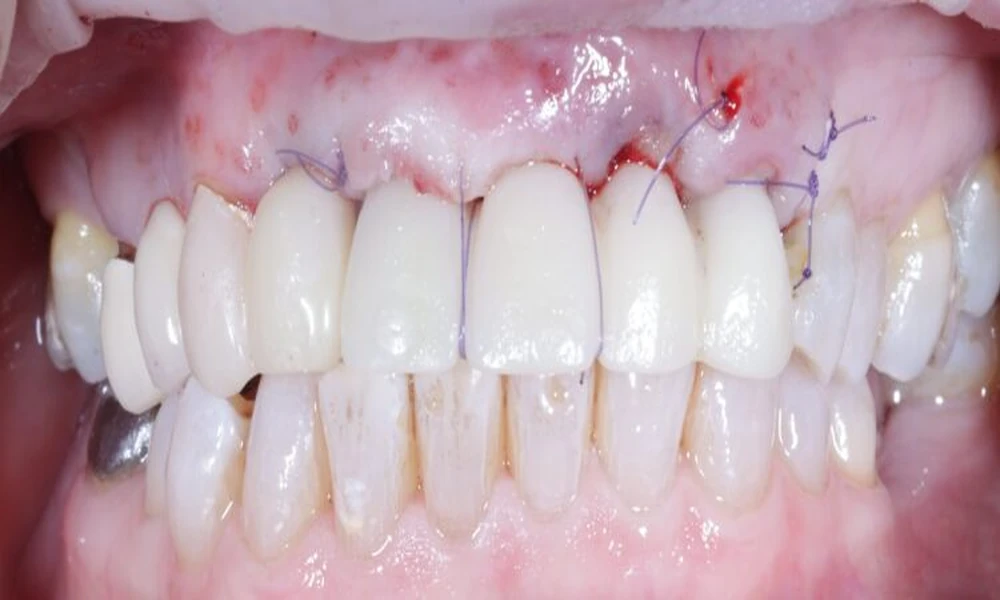
You might be feeling pulled in two directions right now. On one hand, getting a dental implant can feel like a fresh start. On the other, the idea of wearing something “temporary” may sound like a step you just have to get through. That tension is real, especially when your smile, comfort, and confidence are involved, which is why working with an experienced dental implant dentist in Boston can make a meaningful difference. If you are wondering whether a temporary tooth really matters, the short answer is yes. Temporary implant restorations do much more than fill space while you heal. They help guide the gums, support the look of your future tooth, and influence how natural your final result can feel.
For many people, the gap between implant placement and the final crown feels uncertain. You want to know what your smile will look like, whether the tissue will heal well, and if the end result will blend in with the teeth around it. Because of this, understanding temporary implant restorations can make the whole process feel less mysterious and more manageable.
Why does a temporary implant tooth matter so much to the final result?
It is easy to think of the temporary as just a placeholder, but in implant and cosmetic dentist care, it often acts more like a guide. A well designed temporary implant tooth can help shape the soft tissue around the implant site while everything heals. That matters because your gums frame the tooth. Even a beautifully made final crown can look off if the gum line is uneven or flat.
This is especially important in the front of the mouth, where small changes are easier to see. A temporary restoration can help create a natural emergence profile, which is the way the tooth seems to rise out of the gum. Research on implant provisionalization has shown that provisional restorations can support soft tissue contour and help improve esthetic outcomes when carefully planned. You can read more in this review of implant provisional restorations and tissue shaping.
So, where does that leave you if you are in the middle of treatment? It means the temporary phase is not just waiting time. It is shaping time. The choices made here can affect symmetry, speech, bite comfort, and how natural your final smile looks.
What can go wrong if the temporary phase is rushed or ignored?
When the temporary restoration is poorly shaped, too bulky, or placed without enough attention to healing, the gums may not develop the contour needed for a lifelike result. You might end up with a crown that looks longer than the neighboring teeth, dark spaces near the gum line, or a smile that feels slightly “off” even if you cannot explain why.
There is also the comfort issue. If the temporary does not support your bite well, you may find yourself chewing differently, speaking carefully, or clenching without realizing it. Over time, those small adjustments can add stress to the implant area and to your jaw. In some cases, managing the soft tissue with a provisional crown allows the dentist to make changes before the final crown is made, which is far easier than trying to fix esthetic problems later.
Clinical reports have also described how provisional restorations can be used to sculpt peri implant tissue in a controlled way, helping create better support for the final prosthesis. This clinical discussion of provisional implant restorations and soft tissue management gives useful insight into how that process works in practice.
How do temporary restorations compare with the final crown during healing?
You may be asking a fair question. If the final crown is what you keep, why not place it right away and skip the extra step? In some cases, immediate approaches are possible, but healing, tissue response, and bite forces still need to be managed carefully. A temporary restoration gives room to test shape and function before the permanent version is locked in.
| Feature | Temporary Implant Restoration | Final Implant Crown |
|---|---|---|
| Main purpose | Supports healing, shapes gum tissue, tests appearance and bite | Provides long term function, strength, and final esthetics |
| Adjustability | Usually easier to modify as tissue changes | Less flexible once delivered |
| Role in smile design | Helps guide contour and symmetry before final decisions | Reflects the tissue shape created during healing |
| Timing | Used during healing and evaluation | Placed after healing and refinement |
| Risk if poorly planned | Can lead to weak tissue support or poor esthetic setup | Can lock in esthetic issues that are harder to correct |
Evidence continues to support the idea that the provisional phase plays a real part in esthetic implant success. This study on implant esthetics and tissue outcomes highlights how tissue form and restoration design work together in the final appearance.
What should you pay attention to during smile shaping with implant temporaries?
If you are going through smile shaping with implant temporaries, it helps to watch for a few things. Does the tooth look balanced next to the others? Do the gums seem to be maturing evenly? Are you able to speak and bite without feeling like you are protecting that side of your mouth?
This stage is also where cosmetic details come into focus. Shade, length, width, and the way light hits the tooth all matter, but they only look right when the surrounding tissue is healthy and supported. That is why a temporary restoration in implant dentistry is often part biology and part design. It is not just about replacing a tooth. It is about guiding the frame around it.
What are three smart steps you can take right now?
1. Ask what the temporary is meant to accomplish. Do not settle for “it is just temporary.” Ask whether it is being used to shape the gum, protect the implant, test your bite, or preview the final look. When you know the goal, you can better understand each stage of care.
2. Pay attention to small changes and speak up early. If the temporary feels bulky, looks too short, traps food, or affects speech, mention it. Small refinements during healing can improve the final result and may prevent bigger corrections later.
3. Think beyond the tooth itself. Ask how the gums, neighboring teeth, and smile line are being considered. A strong plan for implant smile design looks at the whole picture, not just the implant crown in isolation.
How can you move forward with more confidence?
If you have felt unsure about the temporary stage, that makes sense. The word “temporary” can sound unimportant, when in reality it often shapes what you will see every day in the mirror once treatment is done. A thoughtful provisional phase can help your final smile look more natural, feel more comfortable, and fit you better.
When you are working with an Implant And Cosmetic Dentist, it is worth asking detailed questions about the temporary restoration process, because that middle step often influences the ending more than people expect. You do not need to know every clinical term. You just need to know that this part matters, and that your concerns about appearance, comfort, and healing are valid.
If you are considering treatment, ask about how your temporary restoration will support your final smile and what steps will be taken to shape the best result.
