

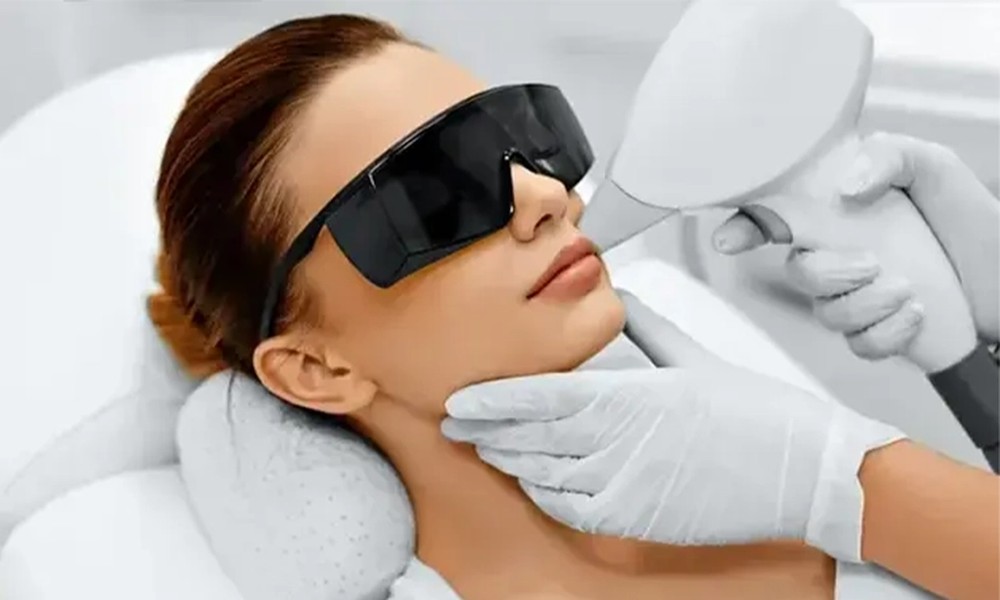
Getting rid of unwanted hair used to be a simple matter of shaving or waxing, but what happens when you want a longer-lasting solution, and your skin or hair falls outside the “typical” range? The journey to effective, permanent hair reduction is a complex one, shaped by the subtle interplay of skin tone, hair type, and the technology behind modern lasers.
The Challenge of Laser Hair Removal Across Diverse Skin Tones and Hair Types
Lasers do not treat all skin and hair combinations equally. The pigment, or melanin, in your skin and hair directly affects how well a laser can target and eliminate hair follicles. For years, those with lighter skin and dark hair were ideal candidates, while others faced disappointment or even risk.
Why Skin Tone and Hair Type Matter in Laser Treatments
The principle is simple: Laser energy is absorbed by melanin in hair follicles, heating and destroying them to prevent regrowth. However, when skin is dark, or hair is light, the laser’s energy might not be as selective. Too much absorption by skin can lead to burns or discoloration; too little by hair means ineffective treatment.
Common Limitations of Traditional Laser Technologies
Older laser systems, such as those using a single wavelength, often struggled to differentiate between hair and the surrounding skin. Their parameters were set with lighter skin in mind, making treatment for other groups risky or simply ineffective. This left many people believing laser hair removal was not for them.
Risks and Concerns for Darker Skin and Lighter Hair
For individuals with darker skin, the danger of burns, hyperpigmentation, or even scarring was a real concern. Those with very light or red hair found that lasers would pass right by the follicle, barely making a dent in hair growth. These issues have fueled both skepticism and the drive for better solutions.
Innovations in Laser Technology: Meeting the Diversity Challenge
Recent breakthroughs have transformed the landscape. Today’s advanced lasers can safely and effectively treat a much wider range of skin tones and hair types. How has this shift happened?
How Multi-Wavelength Lasers Work: The Science Behind the Elite IQ
A key innovation is the development of multi-wavelength lasers, like the Elite IQ. By combining different wavelengths, these devices offer more flexibility and precision. Each wavelength is absorbed differently by melanin, allowing practitioners to match the right settings to each person’s unique skin and hair combination.
Tailoring Laser Parameters to Skin and Hair Variations
Personalization is central to success. The latest lasers allow fine adjustments of energy, pulse duration, and cooling to minimize discomfort and maximize results. For example, longer wavelengths penetrate deeper and are less absorbed by melanin in the skin, making them more suitable for darker skin tones. Shorter wavelengths can be tuned for lighter skin or finer hair.
Safety Approvals and Clinical Testing for Diverse Populations
Top-tier technologies like the Elite IQ are rigorously tested and carry approvals from organizations such as Health Canada and the FDA. This clinical backing provides reassurance that treatments are both safe and effective across all skin types, provided they’re performed by experienced professionals.
Personalized Treatment Strategies for Optimal Results
No two patients are the same, which is why custom treatment plans matter. Success in laser hair removal hinges on careful assessment and tailored protocols.
Assessing Individual Skin and Hair Characteristics
A thorough consultation is the foundation. Practitioners examine the client’s skin type (often using the Fitzpatrick scale) and hair color, density, and thickness. This information is critical for choosing the best laser settings, reducing risk, and improving outcomes.
Customizing Session Duration and Intensity
Treatment sessions are adjusted based on both the area treated and individual response. Some people need 6 sessions, others up to 12. Larger or denser areas, like the back or legs, require more time, while finer zones can be treated quickly.
Managing Expectations: Results, Side Effects, and Contraindications
Results are gradual but noticeable after each session. Common, mild side effects include temporary redness or swelling. Contraindications, such as active skin conditions or pregnancy, are reviewed in advance. This personalized approach ensures comfort and safety.
The Patient Experience: Comfort, Care, and Convenience
Walking into a laser clinic no longer means bracing for pain or uncertainty. Leading providers focus on patient well-being from start to finish.
Creating a Safe and Luxurious Environment
Modern clinics prioritize ambiance, aiming for spaces where clients feel relaxed and confident. Every detail, lighting, privacy, even the waiting room, is designed for comfort.
Pain Management and Minimizing Side Effects
Advances in cooling systems and refined technique have made laser hair removal far more comfortable. Most describe the sensation as a brief snap or prick, with minimal lingering discomfort.
Recovery Time and Maintenance
There is virtually no downtime. Clients can return to daily life immediately, with simple aftercare instructions to maximize results and minimize irritation.
Common Questions and Concerns Addressed
Curiosity and caution are both normal. Here are answers to the most frequent questions.
Is Laser Hair Removal Suitable for Everyone?
With modern equipment and skilled practitioners, nearly all skin types and most hair types can be treated. Some exceptions apply, especially with extremely light (white or grey) hair.
How Many Sessions Are Needed?
Most people see optimal reduction within 6 to 12 sessions, spaced weeks apart. Results are long-lasting, but a maintenance session may be needed once or twice a year.
What Body Areas Can Be Treated?
From facial hair and beards to arms, legs, back, and even sensitive areas like the ears or bikini line, the versatility of new lasers covers virtually the entire body.
Taking Action: From Consultation to Lasting Results
The process begins with expert evaluation, followed by a custom plan and attentive follow-up, hallmarks of any reputable clinic. For those searching for a trusted provider, clinics offering Mediluxe laser hair removal combine state-of-the-art technology with experienced professionals who specialize in personalized care.
Permanent hair reduction is no longer a one-size-fits-all process. Thanks to technology that adapts to every skin tone and hair type, smooth, hair-free skin is within reach for almost everyone.
