

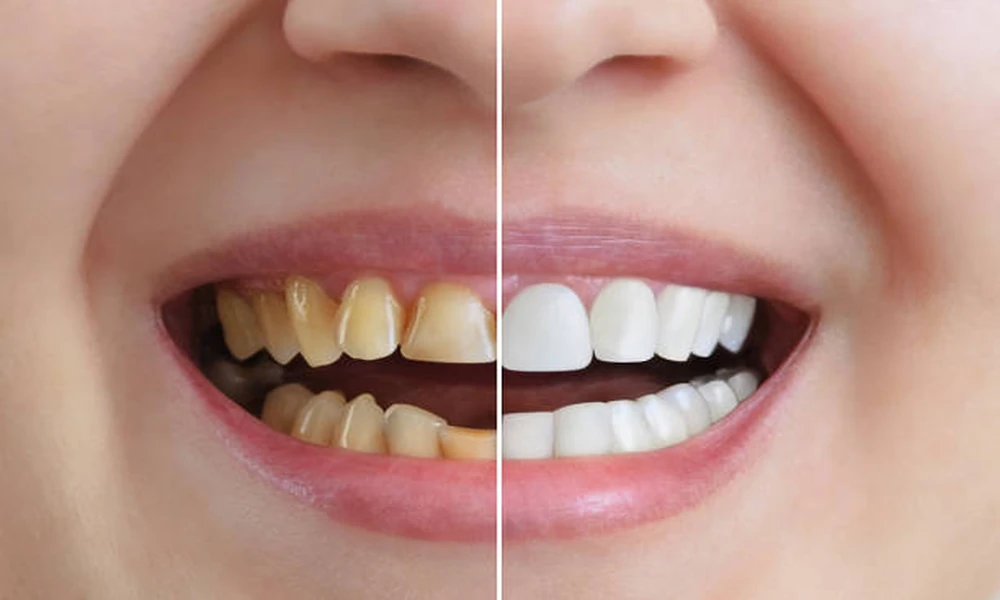
You paid for a better smile because you wanted it to last. That is usually the quiet worry sitting underneath cosmetic dental work. Veneers look great now, a crown feels solid now, bonding fixed the chip you kept noticing in photos, but you still wonder how long any of it will hold up once real life gets in the way. If you are considering cosmetic dentistry in Commack, NY, it helps to understand how daily habits affect your results. Coffee, stress grinding, skipped cleanings, a rushed bedtime routine, all of that adds up faster than most people expect.
The truth is simple. Cosmetic work lasts longer when the teeth and gums around it stay healthy. How preventive dentistry strengthens the longevity of cosmetic restorations comes down to one idea. Prevention protects the foundation. Plaque, decay, gum inflammation, and bite wear do not just threaten natural teeth. They shorten the life of veneers, crowns, implants, and bonding too. A skilled family and cosmetic dentist can make your smile look better, but keeping it stable takes regular care before problems grow.
Preventive dentistry protects the foundation under cosmetic dental work
Cosmetic restorations do not live in isolation. A porcelain veneer still depends on the tooth underneath. A crown still depends on healthy margins where bacteria love to collect. Even whitening results look less impressive when plaque builds up or gums are inflamed. If you have ever thought, “The restoration looks fine, so I’m probably fine,” that is often where trouble starts.
Tooth decay does not appear all at once. The tooth decay process starts with acids produced by bacteria in plaque. Those acids weaken enamel, then move deeper if nothing interrupts the cycle. Around cosmetic work, that can mean decay hiding at the edge of a crown, staining around bonding, or sensitivity under a veneer. By the time you feel pain, the fix is usually larger and more expensive.
Gum disease creates another layer of risk. If your gums pull back, the margins of a restoration become more exposed. That changes appearance and function at the same time. A beautiful crown can suddenly look longer than the neighboring teeth. A veneer can lose the seamless look it had on day one. When gums bleed during brushing, many people ease up because they think they are being too rough. In reality, bleeding often means inflammation is already present.
This is where preventive care for cosmetic restorations matters. Professional cleanings remove hardened buildup you cannot brush away at home. Exams catch tiny margin leaks, bite issues, and early wear before they become failures. Preventive visits also help your dentist spot habits that put pressure on restorations, like clenching, chewing ice, or using teeth to open packages.
Small daily habits have a direct effect on restoration lifespan
The expensive part of cosmetic dentistry is not always the first procedure. It is replacement. Replacing a failed veneer or crown often means more tooth structure has to be removed, which can limit future options. That is why daily care matters more than people think. According to the National Institute of Dental and Craniofacial Research, strong oral hygiene reduces plaque and supports both teeth and gums. That is basic advice, but it has real value when you are trying to protect work you already invested in.
Materials have improved, and modern dental materials research continues to expand durability and esthetics. Even the best material still fails earlier in a mouth with untreated decay, gum disease, or heavy bite stress. Think of it like placing a beautiful finish on wood that still has moisture damage underneath. The problem does not stay hidden for long.
Maintaining cosmetic dental restorations also means understanding what your smile is up against every day. If you drink acidic beverages throughout the day, enamel and bonding edges face constant attack. If you grind at night, porcelain can chip. If you skip recall visits because nothing hurts, small problems keep moving. Most cosmetic failures are not sudden. They are gradual, then expensive.
Prevention costs less than repair and replacement
| Approach | Short Term Effect | Long Term Impact on Cosmetic Restorations |
|---|---|---|
| Twice daily brushing and daily flossing | Removes plaque before it hardens | Lowers risk of decay at restoration margins and helps gums stay stable |
| Regular professional cleanings and exams | Finds hidden buildup, early leaks, and bite wear | Extends the life of crowns, veneers, bonding, and implants |
| Ignoring bleeding gums or sensitivity | Delays care while damage progresses | Raises the chance of recession, recurrent decay, and restoration replacement |
| Night guard for grinding | Reduces pressure on teeth during sleep | Helps prevent chips, cracks, and shortening of restoration lifespan |
People often compare the cost of prevention to the cost of doing nothing for a while. That is the wrong comparison. The real comparison is prevention versus replacement. A cleaning and exam can catch a rough edge on bonding or early decay under a crown before the tooth needs more extensive treatment. Waiting usually turns a manageable issue into a larger repair, more time in the chair, and a more complicated bill.
Three steps help protect your cosmetic restorations now
Build a home routine that matches your dental work. Brush twice a day with a soft brush, floss daily, and ask which products are safe for your restorations. Some abrasive pastes can dull surfaces over time. If you have implants, bridges, or veneers, technique matters as much as effort.
Keep recall visits even when everything feels fine. Cosmetic dentistry can look stable while hidden problems form underneath or around it. Routine visits let a family and cosmetic dentist check margins, gum health, bite pressure, and wear patterns before they threaten the restoration.
Address habits that shorten lifespan. If you clench, ask about a night guard. If you snack or sip acidic drinks all day, reduce the frequency. If you notice bleeding gums, rough edges, or new sensitivity, do not wait for pain to force the issue.
Long lasting cosmetic results depend on steady preventive care
A better smile should not feel fragile. The best cosmetic results hold up when prevention stays part of the plan. Healthy gums, clean margins, a stable bite, and early treatment of small problems all work together to protect what you paid for. That is how preventive dentistry strengthens the longevity of cosmetic restorations in real life, not through perfect habits, but through consistent ones.
If you want your cosmetic dental work to last, schedule preventive care with a trusted family and cosmetic dentist and keep your smile on solid ground.
