

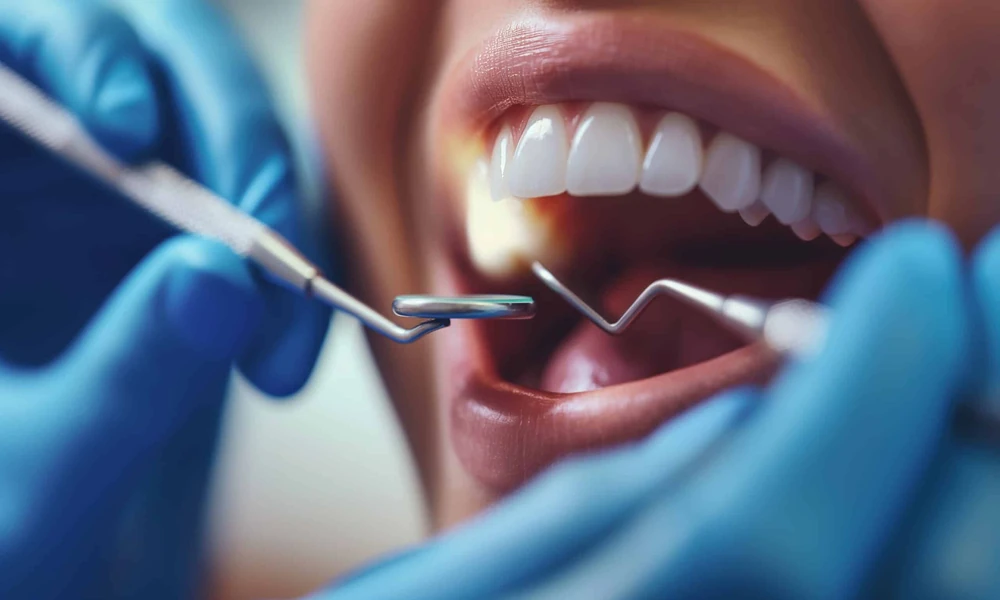
You might be feeling a little uneasy every time you floss and see a bit of blood, or when you notice that one tooth that feels just a touch loose and you are not sure if you are imagining it. Maybe a parent or grandparent lost teeth early and you are quietly wondering if the same thing is waiting for you, and whether seeing a dentist in Fort Atkinson, WI could make a difference. It can feel like your mouth is a ticking clock.end
Then there is the “after” picture that worries you. Avoiding photos. Covering your mouth when you laugh. Struggling to eat the foods you enjoy. Worrying about the cost of implants or dentures. The thought of early tooth loss is not just about teeth. It is about confidence, comfort, and day to day quality of life.
The good news is that early tooth loss is not something you are doomed to face. General dentistry for tooth loss prevention is designed to step in long before a tooth is beyond saving. Regular care, smart habits, and early treatment can protect your smile much more than most people realize.
In simple terms, here is the big picture. Teeth are usually lost because of gum disease, severe decay, or trauma. A general dentist works to spot those problems early, treat them while they are still small, and guide you on daily habits that protect your teeth for the long run. You are not powerless in this. With the right support, you can keep your natural teeth much longer than you might expect.
Why do people lose teeth so early, and why does it feel so unfair?
Tooth loss often starts quietly. A little bleeding when you brush. A cavity you postpone fixing because life is busy. A missed cleaning that turns into a couple of years. None of it feels urgent in the moment. Then one day a tooth breaks, or your dentist tells you a tooth has too much bone loss to save. It feels sudden, but it rarely is.
You might be dealing with one of these common patterns. You brush but skip flossing, so plaque hides between teeth and under the gums. You enjoy sugary drinks or snacks throughout the day, which constantly feed cavity causing bacteria. You smoke or vape, which weakens your gums and bone. Or you live with diabetes or another health condition that affects healing. None of this means you have failed. It just means your mouth is under more pressure than you thought.
Because of this, you might wonder where general dentistry fits in. Is it just “cleanings and fillings,” or does it really change the risk of losing teeth early?
The answer is that a general dentist is your first line of defense. Routine exams, X rays, and professional cleanings are designed to catch small problems before they become big ones. For example, gum disease in its early stage, called gingivitis, can often be reversed with professional cleaning and better home care. Left alone, it can turn into periodontitis, which is the leading cause of tooth loss in adults. According to the CDC, severe tooth loss affects daily life for many adults and is strongly linked to untreated dental disease. You can read more about that connection in this overview on causes and impact of tooth loss.
What really happens if early dental problems are ignored?
Picture this. You skip dental visits for a few years because of cost or fear. During that time, small cavities grow. Plaque hardens into tartar around your gums. You might notice bad breath or sensitive teeth, but you adapt. Then one day you bite into something and a chunk of tooth breaks off. Now you are looking at a crown or extraction instead of a simple filling that would have cost much less.
The emotional weight of this can be heavy. You might feel embarrassed for “letting it get this far.” You might feel angry that no one told you how fast things could change. You might even avoid going in because you are scared of being judged. A good general dentist understands this. The focus is not on blame. It is on what can be done now to steady things and protect the teeth you still have.
There is also the long term financial strain. Replacing a single lost tooth with an implant can cost many times more than years of preventive care. Losing several teeth can affect how you chew, which in turn can affect nutrition and overall health. Research from the National Institute of Dental and Craniofacial Research shows clear patterns in how many teeth adults lose as they age and how much this ties back to untreated disease. You can see those patterns in their data on tooth loss statistics by age and risk factors.
So where does that leave you today? It means that wherever you are starting from, there is value in getting a clear picture and a simple plan. That is exactly what preventive general dentistry services are meant to provide.
How does general dentistry actually prevent early tooth loss?
General dentistry protects your teeth on three fronts. Detection, treatment, and guidance.
Detection means thorough exams, X rays when needed, and regular cleanings. A dentist can spot tiny cavities, early gum inflammation, worn enamel from grinding, and other warning signs long before you feel pain. Pain is usually a late symptom. By the time something hurts, the problem has often grown.
Treatment means acting early. That might include small fillings instead of root canals, deep cleanings to treat gum disease before bone is lost, night guards to reduce grinding, or fluoride treatments to strengthen weak enamel. None of these are extreme. They are practical steps that keep your teeth stable.
Guidance means helping you take care of your mouth between visits. Things like how often to brush and floss, which products to use, and how your diet affects your teeth. The CDC offers simple, evidence based oral health tips for adults that match what most general dentists recommend. Small daily choices add up to big protection over time.
Is it really worth seeing a general dentist regularly? A comparison
It can help to see how regular preventive care compares with waiting until something hurts. Here is a simple side by side look.
| Approach | What it looks like in real life | Common outcomes for tooth loss risk |
|---|---|---|
| Regular general dental care | Checkups and cleanings every 6 to 12 months, early treatment of small problems, consistent brushing and flossing at home | Lower chance of advanced gum disease, more teeth kept into older age, fewer emergencies, smaller and more predictable costs over time |
| “Wait until it hurts” care | No routine visits, appointments only for pain or broken teeth, irregular home care, higher use of sugary snacks or tobacco | Higher chance of deep decay, infections, and bone loss, more extractions, more missing teeth, larger surprise bills for urgent treatment |
| DIY only, no dentist | Brushing without professional cleanings, no X rays or exams, relying on internet tips or home remedies | Hidden problems go unnoticed, gum disease often progresses silently, tooth loss risk increases even if teeth “seem fine” for a while |
Seeing the choices laid out like this can be sobering, but it can also be empowering. You can shift from the second or third column toward the first starting with your very next decision.
What can you do right now to protect yourself from early tooth loss?
1. Get a clear baseline with a general dental exam
If it has been more than a year since your last visit, or you cannot remember your last cleaning, start there. Ask for a full exam, including gum measurements and any needed X rays. Be honest about your habits and any health conditions. A general dentist can then explain what is stable, what needs attention soon, and what can wait. That clarity alone often reduces a lot of anxiety.
2. Focus on gum health as much as tooth health
Most adults who lose teeth do so because of gum disease, not cavities. Make flossing or interdental cleaning a non negotiable part of your day. Aim to brush twice daily with fluoride toothpaste for two minutes. If you smoke or vape, consider this one more strong reason to cut back or quit. Your gums and bone will be stronger for it, and your chances of keeping your teeth improve.
3. Plan for steady care instead of crisis care
If money is tight, you might feel you can only afford to go in when something breaks. Try flipping that thinking. Ask your dental office about payment plans, savings memberships, or scheduling work in phases. Preventive visits are almost always cheaper than emergency treatments. By planning for regular checkups, you are often avoiding much larger bills and a higher risk of losing teeth later.
Where do you go from here?
You do not have to fix everything at once. You do not have to have a perfect history. What matters is the next step. General dentistry is not about judging your past. It is about protecting your future teeth, one visit and one habit at a time.
If you are worried about early tooth loss, take that worry as a signal, not a verdict. Reach out to a general dentist, schedule an exam, and ask clear questions about your risk and your options. With the right information and steady support, you can keep more of your natural teeth, feel more at ease when you smile, and trust that you are doing what you can for your long term health.
