

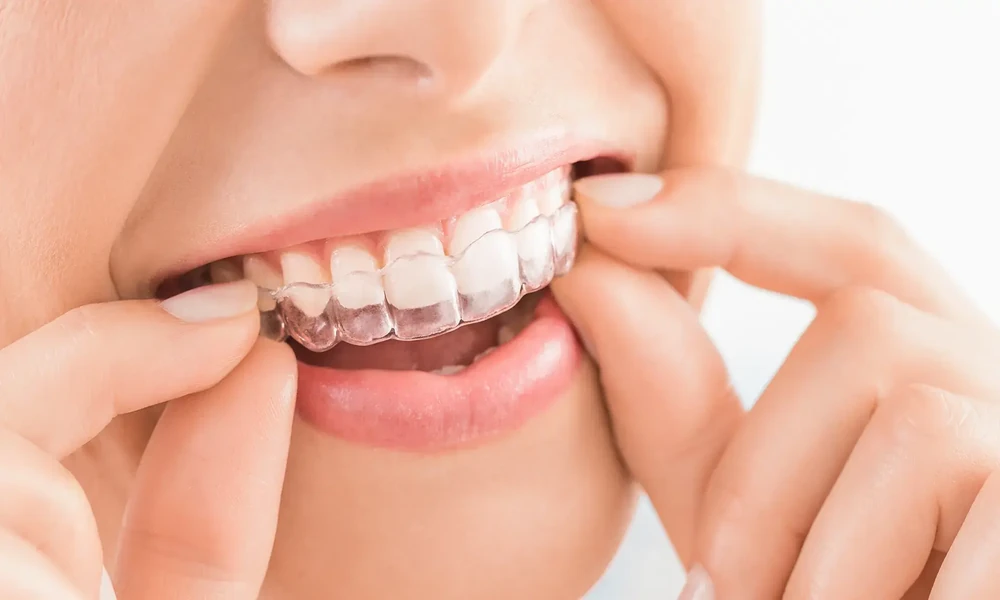
You might be feeling pulled in two directions right now. On one hand, sports matter. They build confidence, discipline, and joy. On the other, braces are already a big investment of time, money, and patience, and the thought of one hard hit undoing that progress can sit in the back of your mind every time practice starts. That worry makes sense. If you or your child plays contact sports, the good news is that protection is possible, and it usually starts with the right mouthguard, smart habits, and guidance from an orthodontist. A Chicago orthodontist can also help you choose the best protective approach for braces during sports.
When braces meet football, basketball, hockey, martial arts, or even a rough soccer match, the risk is not just a chipped tooth. Brackets can cut lips and cheeks, wires can shift, and an impact can affect teeth that are still moving. So, where does that leave you? It means you do not have to choose between treatment and sports. You just need the right layer of protection and a plan that fits your routine.
Why do braces change the way you should think about sports mouth protection?
Braces create extra surfaces inside the mouth, which means a hit to the face can cause more damage than it might without orthodontic treatment. A loose bracket may seem minor at first, but it can lead to irritation, delays in treatment, and another visit to the office. In a more serious moment, a direct blow can crack a tooth or injure the soft tissue around the braces.
Because of this, a basic one size mouthguard may not be enough. Teeth shift during treatment, so a mouthguard that fit well a month ago may feel tight now. That can tempt athletes to leave it out, especially during a long game or intense practice. And once the mouthguard stays in the gym bag instead of the mouth, the risk rises fast.
The Centers for Disease Control and Prevention shares sports safety guidance that supports protective gear as part of reducing injury risk. That advice matters even more when braces are in the picture. If you have ever wondered whether a mouthguard is worth the hassle, the answer is usually yes, especially in contact and collision sports.
What kind of mouthguard works best when you have braces?
There is no single answer for every athlete, but comfort, coverage, and room for tooth movement matter. You want a guard that cushions both the teeth and the brackets without pressing too hard on them. For many people in treatment, sports mouthguards for braces are designed with that extra space in mind.
Store bought options labeled for braces can be a practical start, especially for growing kids whose teeth are still moving often. They are easier to replace and usually made to fit over brackets with less molding. A custom option may offer a better fit in some cases, but it depends on the sport, the stage of treatment, and how often the guard may need to be updated.
What if the athlete says, “It feels bulky, I can’t breathe well, I can’t talk”? That is common at first. Still, a poor fit should not be ignored. If a mouthguard causes pain, pops out, or leaves deep marks, it may be the wrong type or the wrong size. An orthodontic care provider can help you sort that out before a small issue becomes a reason not to wear it at all.
How do your options compare when choosing a mouthguard with braces?
It helps to look at the tradeoffs clearly, especially when convenience, cost, and protection all matter.
| Option | Best For | Pros | Things to Watch |
|---|---|---|---|
| Mouthguard labeled for braces | Most contact sport athletes in active treatment | Allows room for brackets and tooth movement, easy to replace, widely available | Fit can vary by brand, may need frequent replacement |
| Boil and bite mouthguard | Light sports use if approved by your provider | Low cost, easy to find | May mold too tightly around braces, can interfere with tooth movement |
| Custom sports mouthguard | Athletes needing close fit or added comfort | Better retention, often more comfortable, can improve wear compliance | Higher cost, may need remaking as teeth move |
| No mouthguard | No one in contact sports | None | Higher risk of tooth injury, soft tissue cuts, bracket and wire damage |
If you are weighing cost, it may help to think beyond the price tag of the guard itself. Replacing broken appliances or treating a sports injury can cost more, not just in money, but in lost time and treatment delays. MedlinePlus offers a helpful overview of common sports injuries, and dental trauma is part of that bigger picture.
What can you do right now to protect braces during contact sports?
1. Choose the right guard for the sport. If the sport includes routine contact, start with a mouthguard made for braces or ask whether a custom option makes sense. Bring the guard to your next appointment so the fit can be checked with your current tooth movement in mind.
2. Build a simple care routine. Rinse the mouthguard after every use, clean it regularly, and store it in a ventilated case. Replace it if it tears, hardens, or stops fitting well. Good oral habits also matter. The CDC offers practical oral health tips for adults that can support healthier teeth and gums during treatment.
3. Have a game day backup plan. Keep orthodontic wax, the mouthguard case, and contact details for your dental office in the sports bag. If a bracket breaks or a wire shifts after impact, you will be able to manage the moment calmly and get follow up care quickly.
Can you really keep playing sports safely with braces?
In many cases, yes. That is the part people often need to hear most. Braces do not have to bench you, and they do not have to turn every game into a source of stress. With the right mouthguard for braces, regular fit checks, and a little preparation, you can lower the chance of injury and keep treatment moving in the right direction.
If you have been unsure about what to buy or whether the current mouthguard is doing its job, now is a good time to ask about it at your next orthodontic visit. A few small choices today can help protect your smile, your progress, and your peace of mind when the game gets physical.
