

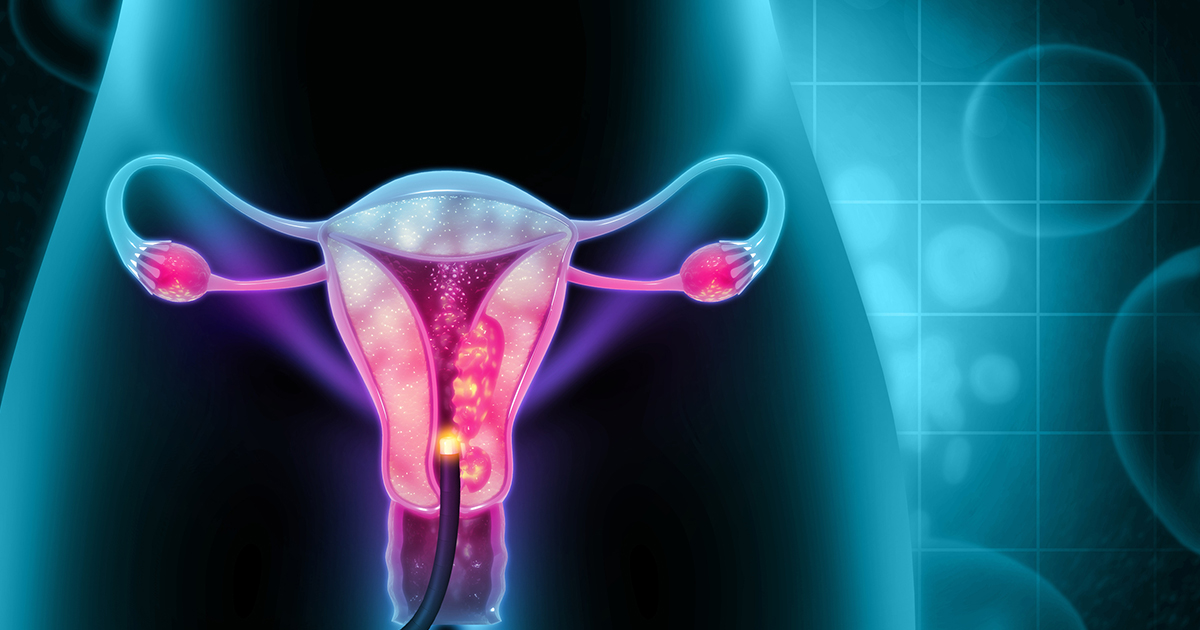
Women’s healthcare has improved significantly over the last decade. One of the most important developments is the shift toward minimally invasive gynecologic surgery. These procedures are designed to treat common conditions with less disruption to the body. They focus on safety, faster healing, and better long-term health outcomes.
In the past, many gynecologic surgeries required large abdominal incisions. Recovery was often painful and slow. Hospital stays were longer. Today, doctors use advanced techniques that require only small openings. This change has improved both physical recovery and emotional well-being for patients.
A Shift toward Precision-Based Surgery
Modern gynecologic surgery now relies heavily on precision. Surgeons use high-definition cameras and specialized tools to perform procedures with accuracy. Small incisions allow access to the uterus, ovaries, and surrounding structures without major tissue damage.
This approach is commonly used to treat fibroids, ovarian cysts, endometriosis, and abnormal bleeding. It is also used for hysterectomy procedures. Because the technique is less invasive, patients usually experience less pain and fewer complications.
The Importance of Advanced Surgical Tools
Technology plays a major role in improving outcomes. In minimally invasive gynecology, surgeons depend on carefully engineered equipment to perform delicate tasks. Throughout these surgeries, OB/GYN Surgical Instruments help enhance control and improve visualization of delicate structures. These instruments include laparoscopic graspers, energy devices, fine scissors, and precision suturing tools. Their slim structure allows surgeons to work through very small openings. Better instrument design reduces bleeding and protects healthy tissue. This directly supports safer surgeries and smoother recovery.
Reduced Physical Stress on the Body
One of the main benefits of minimally invasive procedures is reduced physical stress. Smaller incisions cause less muscle damage. This lowers inflammation and speeds up healing.
Patients often begin walking within hours after surgery. Early movement improves blood circulation. It also reduces the risk of blood clots. Many women can return home the same day or within 24 hours.
Shorter recovery times allow patients to resume daily life sooner. This includes work, family care, and regular activities.
Improved Pain Management
Pain after surgery can affect both physical and emotional health. Minimally invasive techniques help reduce post-operative discomfort. Since the cuts are small, there is less strain on surrounding nerves and tissues.
Patients usually require fewer strong pain medications. This lowers the risk of side effects such as nausea or dizziness. Better pain control improves overall patient satisfaction.
Lower Risk of Complications
Complications can include infection, excessive bleeding, or delayed wound healing. Smaller surgical openings reduce these risks. There is less exposure to external bacteria. Advanced imaging also allows surgeons to see internal structures clearly.
Clear visualization reduces accidental damage to nearby organs. This increases surgical accuracy. Lower complication rates lead to better long-term outcomes.
Better Cosmetic Results
Large scars can impact a patient’s confidence. Minimally invasive procedures leave only small marks on the skin. In some cases, scars are barely visible.
This cosmetic benefit may seem minor, but it matters to many patients. Feeling comfortable with one’s body supports emotional recovery. Improved self-image is an important part of overall healing.
The Role of Robotic Assistance
Robotic-assisted surgery is becoming more common in gynecology. The surgeon controls robotic arms from a console. The system provides a magnified 3D view of the surgical area.
This technology allows steady and precise movements. It reduces hand tremors. Robotic systems are especially useful in complex procedures. They help improve surgical accuracy and patient safety.
Personalized Treatment Planning
Modern gynecologic care also focuses on personalized treatment. Doctors evaluate each patient’s condition carefully. Imaging tests and medical history guide decision-making.
Not every patient requires surgery. When surgery is necessary, minimally invasive methods are considered first. This patient-centered approach ensures safer and more effective treatment.
Long-Term Health Benefits
The goal of modern gynecologic surgery is not only to treat immediate problems. It also aims to protect long-term reproductive and hormonal health. By reducing trauma and preserving healthy tissue, minimally invasive techniques support better overall outcomes.
Women often report improved quality of life after treatment. Symptoms such as chronic pain or heavy bleeding are relieved. Daily functioning improves. Emotional stress also decreases.
Conclusion
Minimally invasive gynecologic surgery has transformed women’s healthcare. Smaller incisions, advanced imaging, and improved surgical tools have made procedures safer and more effective. The use of modern OB/GYN Surgical Instruments supports precision and better healing.
Patients benefit from less pain, shorter hospital stays, and faster recovery. Complication rates are lower. Cosmetic results are better. As technology continues to advance, the future of women’s surgical care will become even more patient-focused and outcome-driven.
